Outdoor TV Installation: What You Actually Need to Know Before Summer Ends
Published June 2026 · By Dan, SmartHome Connect LLC · Lenexa, KS
Every summer I get the same call: “Dan, can you mount a TV on my patio?” The answer is yes — but with some important caveats that most people don’t think about until something goes wrong.
An outdoor TV installation isn’t just a regular indoor mount that you do outside. The sun, the rain, the heat, the bugs, the cold — Kansas City puts outdoor electronics through all of it, sometimes in the same week. I’ve installed outdoor TVs across the metro that have lasted years, and I’ve been called to fix DIY outdoor setups that lasted about three months before the screen went dark.
So let me walk you through what actually matters.
Indoor TVs Don’t Survive Outside
I need to say this upfront because it comes up constantly. Taking your old 55-inch Samsung from the living room and mounting it under a patio cover is not an outdoor TV installation. Indoor TVs aren’t built for any of this:
- Heat: KC summers regularly hit 95-100°F. Add direct or reflected sunlight on a black screen and the internal temperature climbs past the panel’s operating limit. Overheating causes image degradation and component failure.
- Humidity: Missouri humidity sits at 70-80% in summer. Moisture gets inside unsealed electronics and corrodes circuit boards over time.
- Brightness: An indoor TV produces 300-500 nits of brightness. In outdoor daylight, you need 700+ nits just to see the picture, and 1,500-2,500+ nits for direct sunlight viewing. Your indoor TV will look like a dark mirror at 2 PM.
- Bugs: Insects are attracted to the warmth of electronics. Without sealed enclosures, they nest inside the TV.
An indoor TV under a covered patio might last one summer. By the second summer, you’re buying a replacement. I’ve seen it too many times.
Your Three Real Options
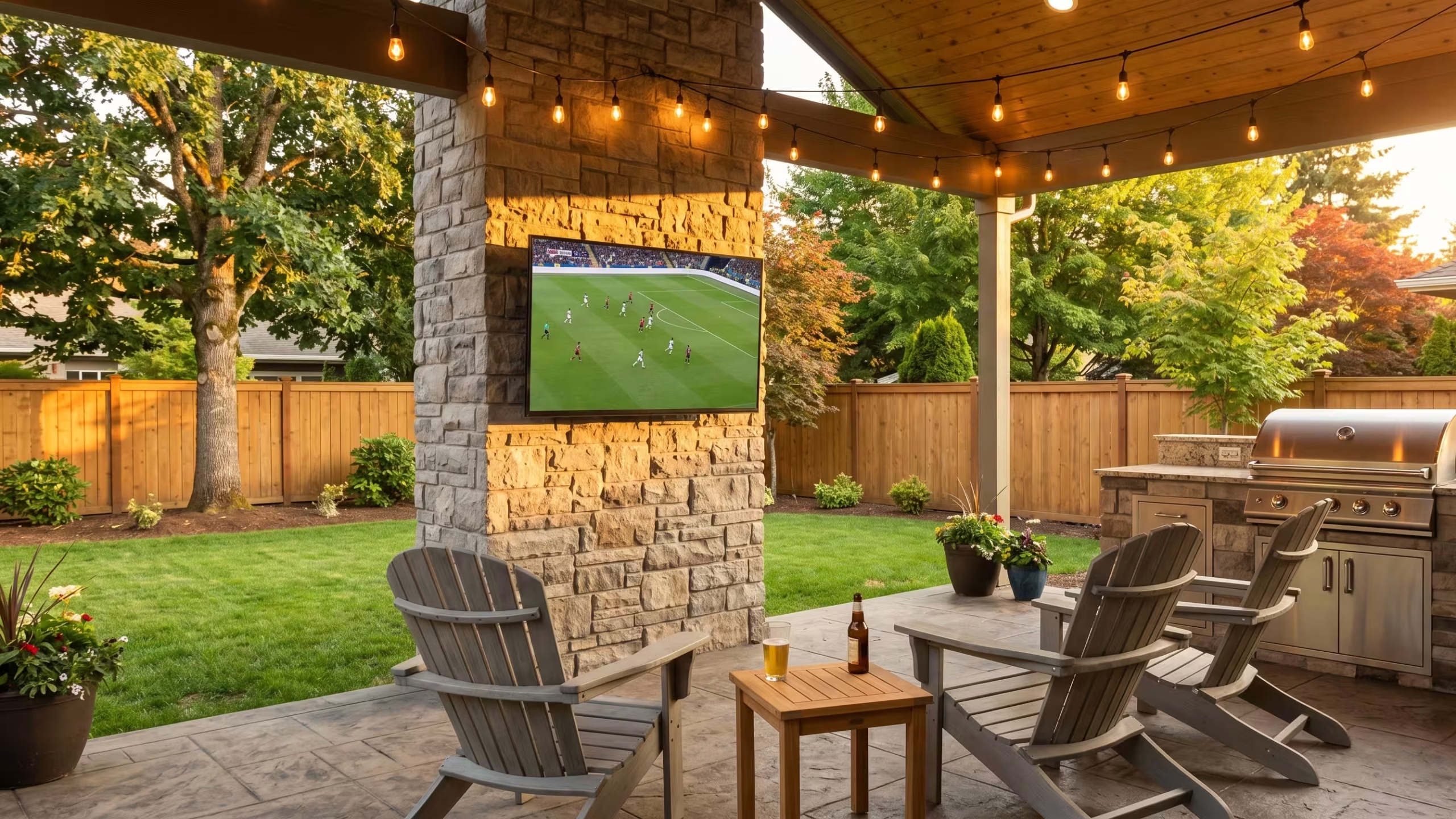
Option 1: A purpose-built outdoor TV. Brands like SunBrite and Furrion make TVs specifically designed for outdoor use. They have sealed enclosures (IP55 or higher), anti-glare high-brightness screens (1,500-2,500 nits), weatherproof ports, and operating temperature ranges from -20°F to 120°F. They cost 2-3x more than indoor TVs of the same size — a 55-inch outdoor TV runs $2,000-$3,500 — but they’re designed to live outside year-round.
Option 2: An indoor TV with a weatherproof enclosure. Companies like Storm Shell and Outdoor TV Cover make sealed, ventilated enclosures that protect a standard indoor TV from weather. The TV goes inside the enclosure, which mounts to the wall or pillar. This lets you use a less expensive indoor TV while adding weather protection. Total cost is usually $500-$1,000 for the enclosure plus whatever the TV costs. The tradeoff: you still don’t get the high-brightness screen, so viewing in direct sunlight is limited.
Option 3: A portable setup for game days. Some homeowners buy a mid-range indoor TV, mount a bracket on their patio wall, and hang the TV only when they’re using it — bringing it inside after the party. This works if your patio is covered and you’re willing to carry a TV in and out. Not ideal, but budget-friendly.
Location Matters More Than the TV
Before I pick a TV or a mount, I look at where it’s going. A few questions determine most of the installation:
Is it covered or exposed? Under a patio roof, pergola, or eave — you have more options and the TV is protected from direct rain and sun. Fully exposed to sky — you need a full outdoor-rated TV or an enclosed setup, no exceptions.
Which direction does it face? A TV facing west gets hammered by afternoon sun. East-facing gets morning sun. North is the most forgiving for glare. If you’re fighting direct sunlight, you either need a high-brightness outdoor panel or a motorized sun shade to block the glare during peak hours.
What’s the mounting surface? Stucco, brick, stone, concrete, wood framing — each requires different hardware. I wrote about wall types in my TV mounting cost guide, and the same principles apply outdoors. The mount also needs to be stainless steel or powder-coated to resist rust.
Power and Connectivity
Your outdoor TV needs a dedicated outdoor-rated power outlet (GFCI protected — code requirement for outdoor receptacles). If you don’t have one near the mounting location, an electrician can run one. Don’t use an extension cord from inside the house — it’s a code violation and a safety hazard.
For video signal, you have two choices:
- Smart TV on WiFi: The TV connects to your home WiFi and streams directly. Works if your WiFi signal reaches the patio. Test it first — many homes have weak signal outside, especially through brick or stucco exterior walls.
- Hardwired HDMI or ethernet: Run a weatherproof HDMI cable or ethernet line from inside the house to the TV location. More reliable, especially for 4K streaming. I route these through the wall or along the eave and seal the penetration point.
If WiFi is weak outside, you might benefit from an access point or mesh node near the patio. I covered WiFi signal issues in my post on why historic KC homes kill your connection — and a lot of the same fixes apply to outdoor coverage.
Don’t Forget Audio
Indoor soundbars don’t cut it outside. Sound dissipates quickly in open air — there are no walls to reflect it back at you. You need more volume and wider dispersion than a living room setup.
Options that work well outdoors:
- Outdoor-rated speakers: Brands like Klipsch and Polk make weather-resistant speakers designed for patios and decks. A pair of outdoor speakers powered by a small amp gives you solid, room-filling sound.
- A portable Bluetooth speaker: Fine for small gatherings (4-6 people). Not enough for a full backyard watch party with 15 people.
- Built-in ceiling speakers: If your patio has a covered ceiling, in-ceiling outdoor speakers are the cleanest option. No visible hardware, even sound distribution. I’ve done a few of these for dedicated backyard entertainment setups.
KC Weather: The Variable Nobody Controls
I wrote recently about whether security cameras can survive KC storms, and the same weather considerations apply to outdoor TVs. Kansas City gets hail, 60+ mph winds, torrential rain, and wild temperature swings. Even outdoor-rated TVs need thoughtful placement.
Under an eave with at least 12 inches of overhang is ideal. If the TV is more exposed, I recommend a motorized or manual cover that protects it when not in use. The cover adds $100-$300 but can save a $3,000 TV from a hailstorm.
What It Costs
The full range for a professional outdoor TV installation:
- Budget setup (indoor TV + Storm Shell enclosure + mount): $800-$1,500 total including installation
- Mid-range (55″ outdoor-rated TV + weatherproof mount + outdoor speakers): $3,000-$5,000
- Premium (65-75″ SunBrite + in-ceiling speakers + full wiring + cover): $5,000-$8,000+
I handle everything from the mount to the wiring to the audio. Most installs take a half-day.
The World Cup is playing at Arrowhead all month, and summer is just starting. If you’ve been thinking about an outdoor TV, this is the season to do it.
Call or text (913) 674-9723 or visit smarthomeconnectllc.com/contact-us.
Serving Lenexa, Overland Park, Olathe, Shawnee, Leawood, and the full KC metro.