First Apartment? How to Mount Your TV Without Losing Your Deposit
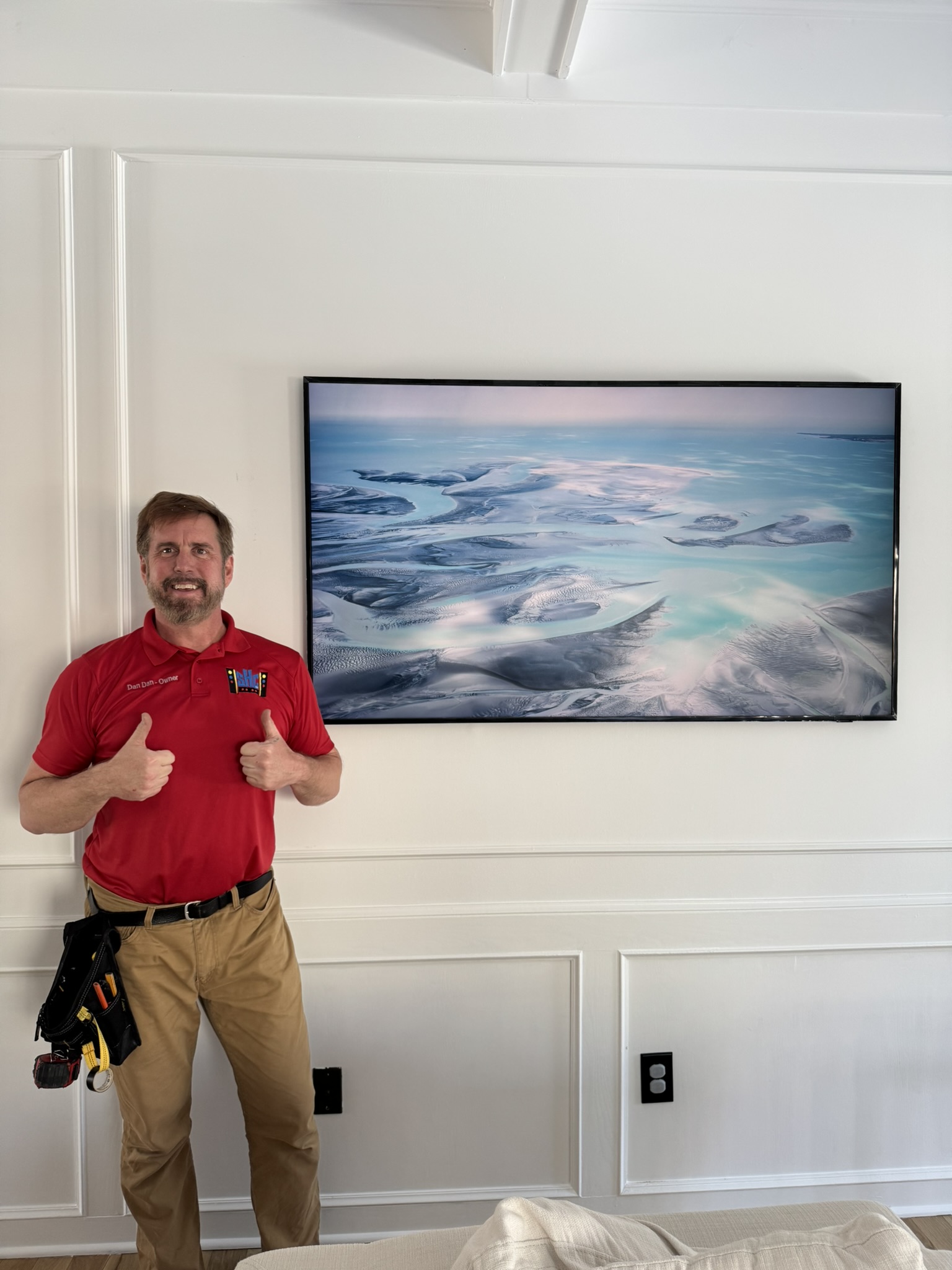
Published August 2026 · By Dan, SmartHome Connect LLC · Lenexa, KS
The fear is specific: you drill into the wall, something cracks, and eleven months later your landlord keeps $400 of your deposit for “wall damage.” So the TV stays on the wobbly IKEA stand, the cables pile up behind it, and the apartment never quite feels finished.
I mount TVs in rentals every week — student apartments near UMKC, new builds in Lenexa, mid-rise units downtown — and the deposit-safe playbook is simpler than the fear suggests. It comes down to knowing what actually damages walls, what doesn’t, and what your lease really says.
Read the Lease First — It Takes Two Minutes
Most Kansas City leases allow “reasonable wall hangings” with the condition that holes get patched at move-out. Some prohibit mounting without written permission. A handful ban it outright. You want to know which lease you signed before a drill touches drywall.
If the language is vague — and it often is — email your property manager and ask directly. Keep the reply. In my experience, landlords say yes far more often when you mention professional installation. “A licensed installer is mounting it into studs and will patch at move-out” lands very differently than “I’m gonna hang my TV.”
The Damage Math Landlords Don’t Explain
A properly stud-mounted TV bracket leaves four to six lag bolt holes, each about the width of a pencil. Patching them takes ten minutes with a $5 tub of spackle. Landlords deal with worse from a single picture-hanging session.
The deposit horror stories come from a different failure entirely: drywall-anchor installs done wrong. A 65-inch TV weighs 45-60 pounds. Cheap plastic anchors in half-inch drywall hold that weight right up until they don’t — and when an anchor fails, it doesn’t leave a pencil hole. It tears out a fist-sized chunk of wall on its way down, usually taking the TV with it.
So the counterintuitive truth I tell every renter: drilling into studs correctly causes less damage than avoiding studs incorrectly. The “gentler” option is the one that wrecks walls.
Every Renter Option, Ranked by Invasiveness
Zero holes: a quality media console. Modern low-profile stands look sharp, and for TVs under 65 inches they’re legitimate. You give up wall space, viewing height flexibility, and clean cable routing — but you sign nothing away.
Zero holes, mounted look: a freestanding floor mount — weighted base, vertical column, TV bracket on top. I install these for renters in buildings with concrete walls, which describes a lot of the newer mid-rise apartments around downtown KC where drilling isn’t even possible without a hammer drill and landlord’s rage. The tradeoff is a slight wobble when bumped and a footprint on your floor.
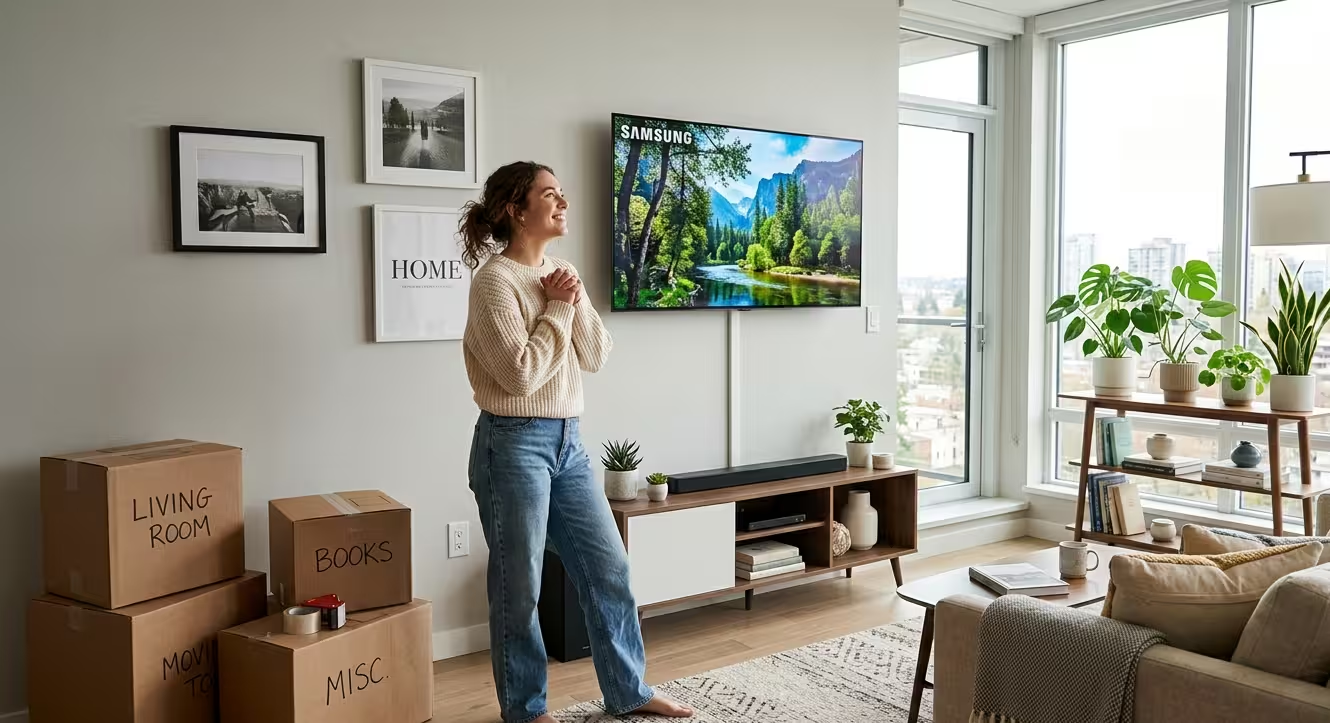
Small holes, full stability: a standard stud-mounted bracket with a patch-at-move-out plan. This is what I recommend for most renters in wood-frame buildings — which covers the vast majority of Johnson County apartment stock. Four small holes, professionally patched in minutes when your lease ends, and in between you get real stability, ideal viewing height, and proper cable management.
One detail renters consistently get wrong when they mount TV apartment walls themselves: height. The habit is to mount high — “gallery style” — because it feels dramatic. Then you spend a year looking up at a 30-degree angle from the couch. Center of screen at seated eye level, roughly 42 inches from the floor, same rule as any house. Your future neck will thank you, and it costs nothing extra to do it right the first time since the holes are getting patched either way.
Fireplace units: several apartments I work in have the TV-above-fireplace layout, and MantelMount makes renter-friendly pull-down options. I wrote about them in why renters love MantelMount.
Cables: The Part That Makes It Look Rented or Owned
In-wall cable concealment — cutting drywall and routing cables through the wall cavity — is off the table in a rental. Nearly every lease prohibits it, and it’s the one modification that genuinely costs you at move-out.
The rental answer is paintable surface raceways: slim channels that adhere to the wall, swallow the cables, and peel off cleanly when you leave. Painted to match the wall, they nearly disappear. It’s the same approach I use in the “can’t cut this wall” scenarios I covered in my cable concealment guide — brick, stone, and rentals all get the raceway treatment.
One more renter-specific tip: if your apartment’s outlets sit far from where the TV wants to live, resist the urge to run an extension cord along the baseboard behind furniture. Use a raceway for that run too. It looks intentional instead of improvised, and improvised is what makes apartments feel temporary.
What This Costs — and What It Saves
A professional rental mount TV apartment job — stud mounting and leveling — starts at $150. Raceway cable management runs $25–$200+, depending on the wall. Move-out patching, if you want me back for it, is usually $50 or a quick DIY.
Stack that against the alternative: a failed DIY anchor job costs a $200-$500 deposit deduction plus possibly a broken TV. The professional path is cheaper even before counting the eleven months of actually enjoying your apartment.
Just signed a lease? Get the TV up while the boxes are still packed — it’s the fastest way to make a new place feel like yours. Text me what you’re working with: (913) 674-9723, or book at smarthomeconnectllc.com/contact-us.
Serving Lenexa, Overland Park, Olathe, Shawnee, Leawood, and the full KC metro.